About Caustic Soda Flakes
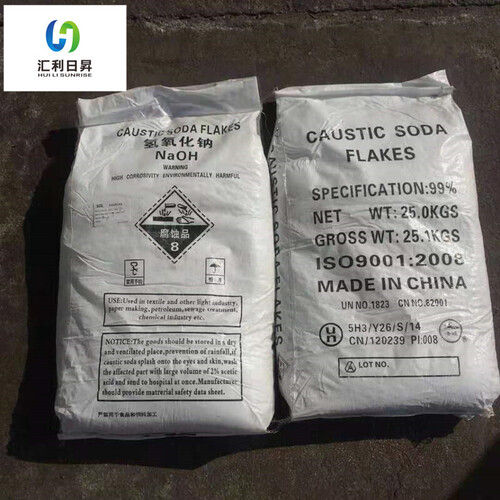
Caustic Soda Ash is a highly alkaline, white, odorless solid that is soluble in water and is commonly used in a variety of industrial applications. It is highly demanded in the production of various chemicals, including soaps, detergents, and textiles and also used in petroleum refining, pulp and paper production, and water treatment. This is typically produced through the electrolysis of brine (a solution of salt and water) in a process known as the chlor-alkali process. Moreover, the Caustic Soda Ash is also used in cleaning agents, as a drain cleaner, and as a food additive in small amounts..
- CAS : 1310-73-2
- EINECS No.: 215-185-5
- Molecular Formula: NaOH
- HS Code: 2815110000
- Appearance: White Flakes
- Packaging Details: 25kg, 1000kg Jumbo bag or according to customers request
Specification
|
INDEX
|
STANDARD
|
|
APPRANCE
|
Pure white flakes
|
|
NaOH (%) min
|
99% min
|
|
Na2CO3 (%) max
|
0.90% max
|
|
NaCl (%) max
|
0.15% max
|
|
Fe2O3 (%) max
|
0.007% max
|
|
Matter insoluble in water (%) max
|
0.005
|
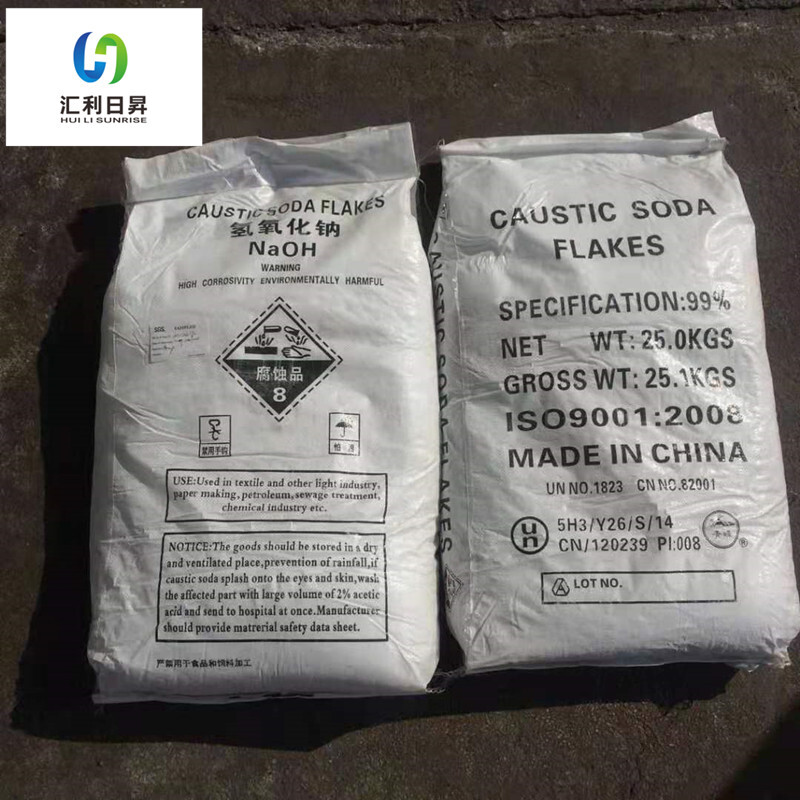
Superior Quality and StabilityOur Caustic Soda Flakes conform to GB209-2006/2014 standards with a high purity of 99% minimum. These stable, solid white flakes are suitable for long-term industrial storage, maintaining their effectiveness for up to 36 months when stored properly in cool, dry, and ventilated areas. Their consistent quality ensures reliable performance for various industrial applications.
Versatile Industrial ApplicationsCaustic Soda Flakes play a crucial role in the production of paper, textiles, detergents, soaps, and aluminum, as well as in oil refining, chemical processing, and water treatment. Their high solubility and robust chemical properties make them indispensable for manufacturers and processing plants seeking efficient, cost-effective solutions.
Safety and Handling PrecautionsCaustic Soda Flakes are highly corrosive and require stringent safety precautions. Always use protective gear when handling to avoid severe skin burns and eye damage. In case of exposure, rinse immediately with plenty of water and seek medical assistance. Store the flakes in tightly closed containers to preserve stability and prevent moisture absorption.
FAQ's of Caustic Soda Flakes:
Q: How should Caustic Soda Flakes be stored to maintain stability and effectiveness?
A: Caustic Soda Flakes should be stored in tightly closed containers, placed in cool, dry, and well-ventilated areas. Avoid contact with moisture and incompatible materials to ensure the product remains stable throughout its 36-month shelf life.
Q: What are the main industrial uses of Caustic Soda Flakes?
A: Caustic Soda Flakes are widely used in paper manufacturing, textiles, detergent and soap production, oil refining, aluminum processing, chemical manufacturing, and water treatment, owing to their high solubility and strong alkalinity.
Q: What safety measures are necessary when handling Caustic Soda Flakes?
A: Always wear appropriate protective equipment such as gloves, goggles, and protective clothing. Caustic Soda Flakes can cause severe skin burns and eye damage. If contact occurs, rinse the affected area with copious amounts of water immediately and seek medical attention.
Q: What is the process for using Caustic Soda Flakes in industrial applications?
A: To use Caustic Soda Flakes, dissolve them in water or the required solvent, ensuring maximum dilution due to their highly exothermic dissolution. The resulting caustic solution is then added stepwise to industrial processes according to specific operational requirements.
Q: What are the benefits of using high purity Caustic Soda Flakes?
A: High purity (99% min) Caustic Soda Flakes provide reliable chemical performance, minimize contamination in final products, and offer consistency in industrial processes. This enhances efficiency and product quality across various manufacturing applications.
Q: When is it best to order customized packaging for Caustic Soda Flakes?
A: Customized packaging is most beneficial for large-scale industrial operations or when specific handling and storage requirements must be met. If you need different bag sizes or specialty containers, communicate your requirements at the time of order to the manufacturer or supplier.