Back to top
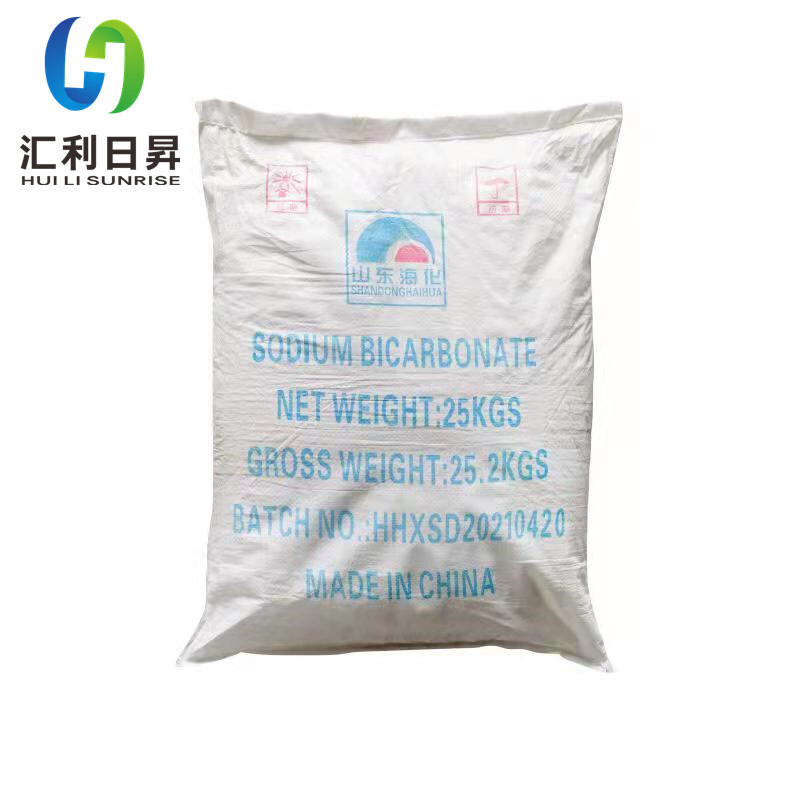
Sodium Bicarbonate Food Grade

Sodium Bicarbonate Food Grade

Price 330 USD ($)/ Ton

MOQ : 27 Tons

Sodium Bicarbonate Food Grade Specification

  • Melting Point
  • Not applicable (Decomposes at 50C-60C)
  • Ph Level
  • Around 8.3 in 0.1M aqueous solution
  • Molecular Formula
  • NaHCO3
  • Smell
  • Odorless
  • Taste
  • Mildly alkaline, slightly salty
  • Poisonous
  • Yes
  • Structural Formula
  • NaHCO3
  • Solubility
  • Water soluble
  • Shape
  • Fine crystals, powder
  • Form
  • White, crystalline powder
  • Molecular Weight
  • 84.01 g/mol
  • HS Code
  • 28363000
  • Refractive Rate
  • 1.50 (approx)
  • Purity
  • 99.0% minimum (Food Grade)
  • Storage
  • Store in cool, dry, well-ventilated area, tightly closed containers
  • Other Names
  • Baking Soda, Bicarbonate of Soda
  • Density
  • 2.2 Gram per cubic centimeter(g/cm3)
  • Classification
  • Inorganic compound
  • Chemical Name
  • Sodium Bicarbonate
  • CAS No
  • 144-55-8
  • EINECS No
  • 205-633-8
  • Grade
  • Food Grade
  • Standard
  • FCC, Food Grade
  • Type
  • Powder, Crystalline
  • Usage
  • Food additive, Baking ingredient, Antacid
  • Main Material
  • Sodium Bicarbonate
  • Application
  • Food Industry (Baking, Effervescent drinks, Leavening agent, pH buffer), Pharmaceuticals, Cleaning agent
  • Non Toxic
  • Yes
  • Alkalinity
  • Passes FCC food grade requirements
  • Shelf Life
  • 24 months from date of manufacture when stored properly
  • Arsenic
  • Not more than 2 ppm
  • Chloride as NaCl
  • Max 0.4%
  • Appearance
  • Fine, white crystalline powder
  • Insoluble Matter
  • 0.03% maximum
  • Moisture content
  • 0.2% maximum
  • Packaging
  • 25 kg, 50 kg HDPE bag or as per customer requirement
  • Heavy Metals (as Pb)
  • Not more than 2 ppm
  • Particle size
  • Customizable as per specification, typically 100-350 microns
 

Sodium Bicarbonate Food Grade Trade Information

  • Minimum Order Quantity
  • 27 Tons
  • FOB Port
  • Qingdao
  • Payment Terms
  • Telegraphic Transfer (T/T)
  • Supply Ability
  • 200 Tons Per Month
  • Delivery Time
  • 7 Days
  • Sample Available
  • Yes
  • Sample Policy
  • Free samples available with shipping and taxes paid by the buyer
  • Main Export Market(s)
  • Asia, Australia, Central America, North America, South America, Eastern Europe, Western Europe, Middle East, Africa
  • Main Domestic Market
  • All India
 

About Sodium Bicarbonate Food Grade

Sodium Bicarbonate, with a molecular formula NaHCO3 and CAS No. 144-55-8, is classified as Good Grade when it meets rigorous quality standards. Typically graded as Industrial Grade, it boasts a high purity level of 99.58%. Found in powder form, Sodium Bicarbonate serves diverse industrial applications including food processing, pharmaceuticals, and water treatment. Its versatility extends to household uses such as baking and cleaning agents. With its HS Code 2836300000, it is recognized globally for its efficacy and safety. Sodium Bicarbonates reliability, purity, and wide-ranging applications make it an indispensable component in various industries, ensuring consistent performance and quality.

Specification

ITEMS

STANDARD

TEST RESULT

APPEARANCE

WHITE POWDERED CRYSTALS

WHITE POWDERED CRYSTALS

Total baselas NaHCO3

99.2

99.58

Loss on drying%

0.01

0.005

Arsenlc (AS),%

0.0001

0.00005

Heary metals,%

0.0005

0.0002

Moisture content,,%

0.20

0.04

Ammonium Salt


pass

Clarity


pass

Chloride(as NaCl)%

0.5

0.28

Whiteness

85

90

PH Valve(10g/L)

8.6

8.29


Exceptional Food Grade Quality

Manufactured to meet strict FCC and food grade standards, our Sodium Bicarbonate boasts a purity of at least 99% and heavy metal content below 2 ppm. Its powder form is precisely controlled for particle size and minimal moisture, guaranteeing consistent results in delicate food and pharmaceutical applications. Quality assurance ensures the product remains non-toxic and safe within recommended usage guidelines.


Versatile Applications Across Industries

Popularly known as baking soda, this compound plays a crucial role in baking as a leavening agent, effervescent drinks, pH buffering, and as an antacid in pharmaceuticals. Its customizable crystalline texture and high solubility make it adaptable for various manufacturing processes, including food, cleaning, and health industries. Its reliability and mild alkalinity add safety to both domestic and industrial settings.


Optimized Packaging and Storage

Sodium Bicarbonate Food Grade is available in robust 25 kg or 50 kg HDPE bags, with packaging options adjusted to individual client requirements. Maintaining product integrity, the powder should be kept in cool, dry, well-ventilated spaces, tightly sealed to maximize its shelf life of up to 24 months from manufacturing date. Adhering to these storage practices upholds its premium quality.

FAQ's of Sodium Bicarbonate Food Grade:


Q: How should Sodium Bicarbonate Food Grade be stored for maximum shelf life?

A: Store Sodium Bicarbonate in a cool, dry, and well-ventilated area, ensuring its container is tightly closed. This preserves its quality and efficacy for up to 24 months from the manufacture date.

Q: What are the typical uses of food grade sodium bicarbonate in the food industry?

A: It is extensively used as a leavening agent in baking, an ingredient in effervescent beverages, a pH buffer, and as a general food additive due to its mild alkalinity and safety profile.

Q: What benefits does food grade sodium bicarbonate offer compared to other grades?

A: Food grade sodium bicarbonate ensures higher purity, compliance with stringent heavy metal and insoluble matter limits, and meets FCC standards, making it suitable and safe for food and pharmaceutical applications.

Q: When should sodium bicarbonate be added during the baking process?

A: It is best mixed with dry ingredients before wet components are introduced, allowing it to evenly disperse and activate as a leavening agent when in contact with moisture and acid.

Q: Where is this sodium bicarbonate manufactured and supplied from?

A: This product is manufactured in China and is available worldwide through distributors, exporters, and suppliers for both industrial and retail customers.

Q: How is the particle size of sodium bicarbonate controlled during manufacturing?

A: Particle size is customizable as per client specification, typically ranging from 100 to 350 microns, and is controlled through specialized milling and sieving processes to ensure consistency.

Tell us about your requirement
product

Price:

Quantity
Select Unit

  • 50
  • 100
  • 200
  • 250
  • 500
  • 1000+
Additional detail
Mobile number

Email

More Products in Industrial Chemical Category

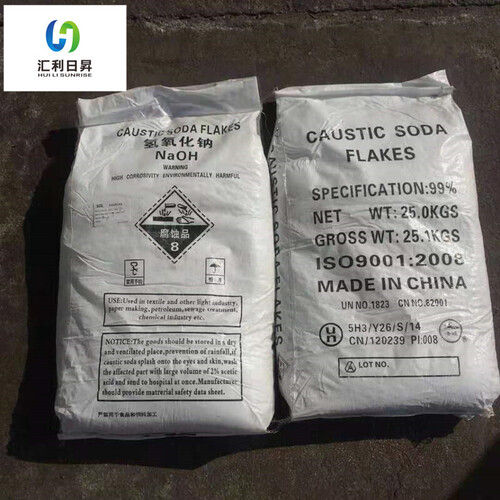
Caustic Soda Flakes

Caustic Soda Flakes

Price 580 USD ($) / Ton

Minimum Order Quantity : 26 Tons

Grade : Industrial Grade

Chemical Name : Caustic Soda

Form : Solid

Usage : Industrial, Commercial

Sodium Bicarbonate Food Grade industry grade

Sodium Bicarbonate Food Grade industry grade

Price 175.0 USD ($) / Metric Ton

Minimum Order Quantity : 27

Grade : Other, Food Grade / Industry grade

Chemical Name : Sodium Bicarbonate

Form : Solid

Usage : Food additive, leavening agent, cleaning agent

Sodium Metabisulphite Food Grade Industry grade

Sodium Metabisulphite Food Grade Industry grade

Price 200 USD ($) / Ton

Minimum Order Quantity : 27 Tons

Grade : Industrial Grade

Chemical Name : Sodium Metabisulphite

Form : Solid

Usage : is mainly used as reduction agent. Furthermore, it is ideal for the bleaching of vegetable fibers and textile, for the production of solutions, which are used in the developing of photos and films as well as for the treatment of tanning agents in dyeing of textilesÂ

Sodium Bicarbonate Good Grade

Sodium Bicarbonate Good Grade

Price 240 USD ($) / Ton

Minimum Order Quantity : 27 Tons

Grade : Industrial Grade

Chemical Name : Sodium Bicarbonate

Form : Powder

Usage : Sodium bicarbonate is mainly used in the food industry as an additive, as foam in the rubber industry, antacid in the pharmaceutical industry, generating agent in firefighting equipment, as a chelating agent in detergent, detergents in film production, and as a CO2 occurred agent in soft drinks, beer, beverage, and other fields.