About Poly aluminium Chloride water treatment
Polyaluminium Chloride (PAC), with CAS No. 1327-41-9, is a chemical compound utilized in water purification processes. Available in powder form and typically of industrial grade, it boasts a purity of 32%. PAC is renowned for its effectiveness in removing impurities from water, particularly in municipal water treatment plants and industrial settings. Its ability to coagulate and flocculate suspended particles makes it a vital component in purifying water for various applications. When used in water purification tablets, PAC ensures efficient disinfection and clarification, contributing to the provision of clean and safe drinking water, vital for public health and industrial processes alike.
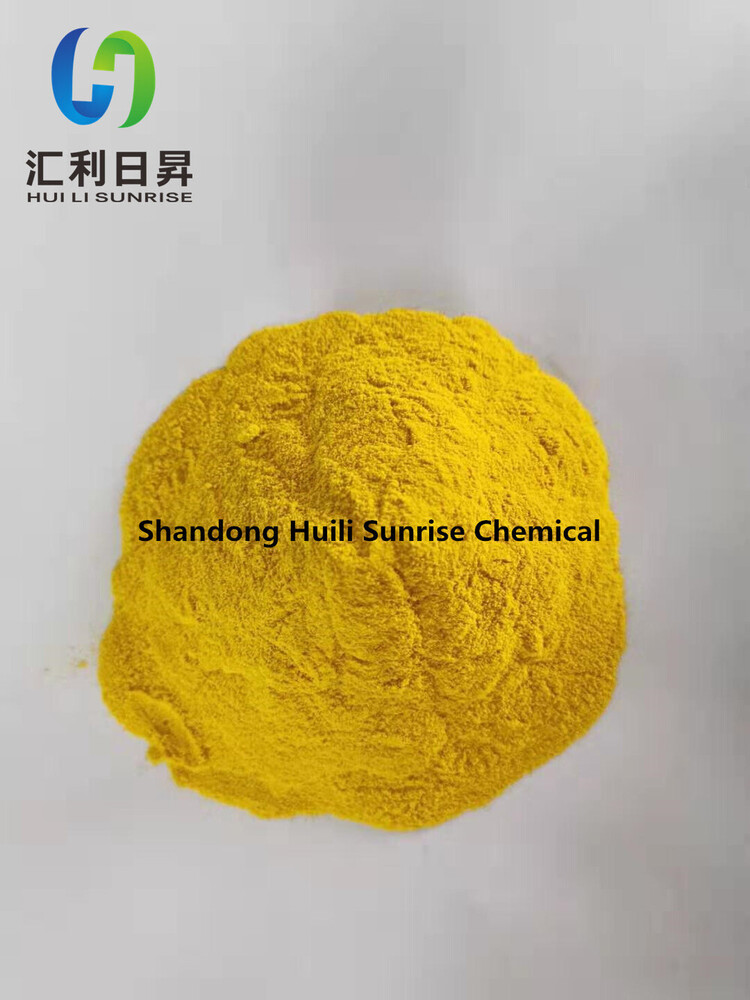
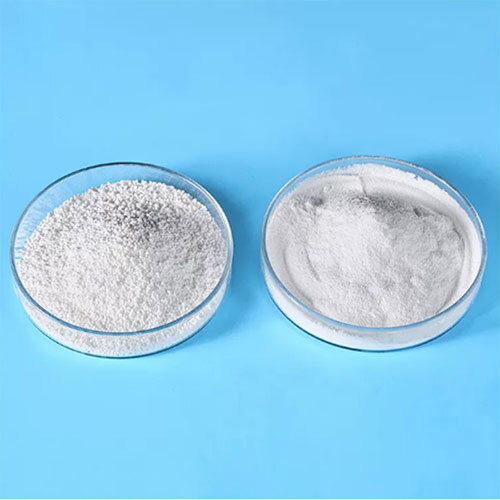
- Appearance: white powder/yellow powder
- Solubility: Readily soluble in water
- Chemical Formula: Al2(OH)nCl6-n
- CAS NO.: 1327-41-9
Specification
|
Item
|
Standard
|
|
AL2O3
|
29%
|
|
Basic Salinity
|
40-90
|
|
Water Insoluble
|
0.3%
|
|
PH(1% aqueous solution)
|
3.5-5.0
|
Efficient Water PurificationPoly aluminium chloride serves as an exceptional coagulant, efficiently removing suspended particles and impurities from water. Its rapid action enhances water clarity, making it a preferred choice in municipal and industrial water treatment plants. PAC's variable basicity offers adaptability to different water qualities and treatment requirements, ensuring robust purification results every time.
Safe and Versatile ChemicalEngineered for safe handling and application, PAC is odorless with a slightly astringent taste and is classified as non-poisonous. It satisfies international quality standards (GB 15892-2009), providing peace of mind across diverse industries. Whether used in the oil industry or for general water purification, its compliance and versatility stand as strong benefits for distributors and end-users alike.
FAQ's of Poly aluminium Chloride water treatment:
Q: How is Poly aluminium chloride (PAC) used in water treatment processes?
A: PAC is primarily used as a coagulant in water treatment facilities. When added to water, it destabilizes and aggregates suspended particles, making them easier to remove through sedimentation or filtration. This process improves overall water clarity and quality, making PAC ideal for municipal, industrial, and oil industry applications.
Q: What are the advantages of using PAC over traditional coagulants?
A: PAC offers faster reaction times, broader adaptability to different pH levels, and produces fewer residual solids compared to traditional coagulants like alum. Its high basicity and low iron content ensure efficient treatment while minimizing secondary contamination and sludge production.
Q: Where should Poly aluminium chloride be stored for optimal shelf life?
A: For maximum shelf life of 24 months, PAC should be stored in a cool, dry, and well-ventilated area with its packaging sealed. This prevents moisture absorption and maintains product effectiveness.
Q: When is it recommended to use iron-free Poly aluminium chloride?
A: Iron-free PAC is ideal for processes where strict iron limitations are required, such as in the production of high-purity water or sensitive industrial processes. It ensures minimal risk of iron-induced discoloration or interference.
Q: What are the typical forms and packaging options available for PAC?
A: PAC is available in powder, granule, and flake forms, and is commonly packaged in 25 kg bags or custom packaging per customer requirements. This flexibility accommodates various handling and dosing preferences in industrial and municipal settings.
Q: Is Poly aluminium chloride considered safe and non-toxic for use in water purification?
A: Yes, PAC is non-toxic and non-poisonous when used as directed according to standard guidelines. It complies with international safety standards, making it suitable for treating drinking water and industrial effluents.
Q: How does PAC benefit industries beyond water treatment?
A: In addition to water purification, PAC is valuable in the oil industry and other industrial processes requiring efficient solid-liquid separation. Its high efficiency and safety profile enhance operational productivity and reduce treatment costs.






 Send Inquiry


 Send Inquiry
 Send Inquiry